We write a lot of estimates in Riverside. After "how much," the next question is almost always "how did you get that number?"
Fair question. A repair bill looks like a mystery until you know the formula. Once you do, you can read any quote in about a minute and spot the line that does not add up. We go from the biggest number on the bill down.
The Formula Behind Every Labor Charge
Every labor line on a repair bill comes from the same math.
Billed hours × hourly rate = labor.
Then the rest of the bill stacks on top. Parts. Diagnosis, if the shop charges it on its own. Any disposal fee. Sublet work, if part of the job went to another shop.
The hourly rate is the number people ask about, but it is the hours that swing a bill. Two shops with the same rate can quote the same job hundreds of dollars apart because they count the hours in different ways. So start there.
Book Time vs Actual Time
The Federal Trade Commission's auto repair guide lays out the two systems. Some shops charge a flat rate for labor, set from an independent or maker's estimate of how long the repair takes. Others charge for the actual time the tech worked on your car.
That "estimate of how long it takes" lives in a labor guide. Shops call the number book time. If the guide says a front brake job on your car is 1.5 hours, a flat rate shop bills 1.5 hours whether the tech finishes in one hour or fights a rusted bolt for three.
| Question | Flat Rate (Book Time) | Actual Time |
|---|---|---|
| Where the hours come from | A labor guide's set time for that job on that car | The clock while the tech works on your car |
| Fast tech, easy car | You still pay the full book time | You pay less |
| Slow job, seized bolts | You pay the book time, the shop eats the rest | You pay for every extra hour |
| Know the price up front? | Yes, for the labor part | Only as a range, unless the shop caps it |
| The question to ask | How many hours does the guide give this job? | How do you count time, and what is the most it can run? |
What the Hourly Rate Actually Pays For
People see a shop rate well above $100 and do the math on the tech's paycheck. The real gap is smaller than it looks. The Bureau of Labor Statistics puts the median pay for auto service techs at $24.34 an hour, or $50,620 a year, in its May 2025 data. That covers about 825,800 jobs in the US.
So where does the rest of the rate go? Into everything a tech needs to fix your car and the hours nobody can bill.
- Unbilled time. Ordering parts, test drives, cleanup, waiting on a part that came in wrong.
- Tools and scan software. A modern car needs a scan tool and repair data, and those are paid for again and again.
- Insurance. Including cover for your car while it is in the shop's care.
- The building or the van. Rent, fuel, and the people who answer the phone.
The same BLS page notes that some shops pay techs by the hour and others by the amount of work done. That second system is the flip side of flat rate billing. When you pay book time, the tech is often paid book time too.
Diagnostic Fees and Teardown Estimates
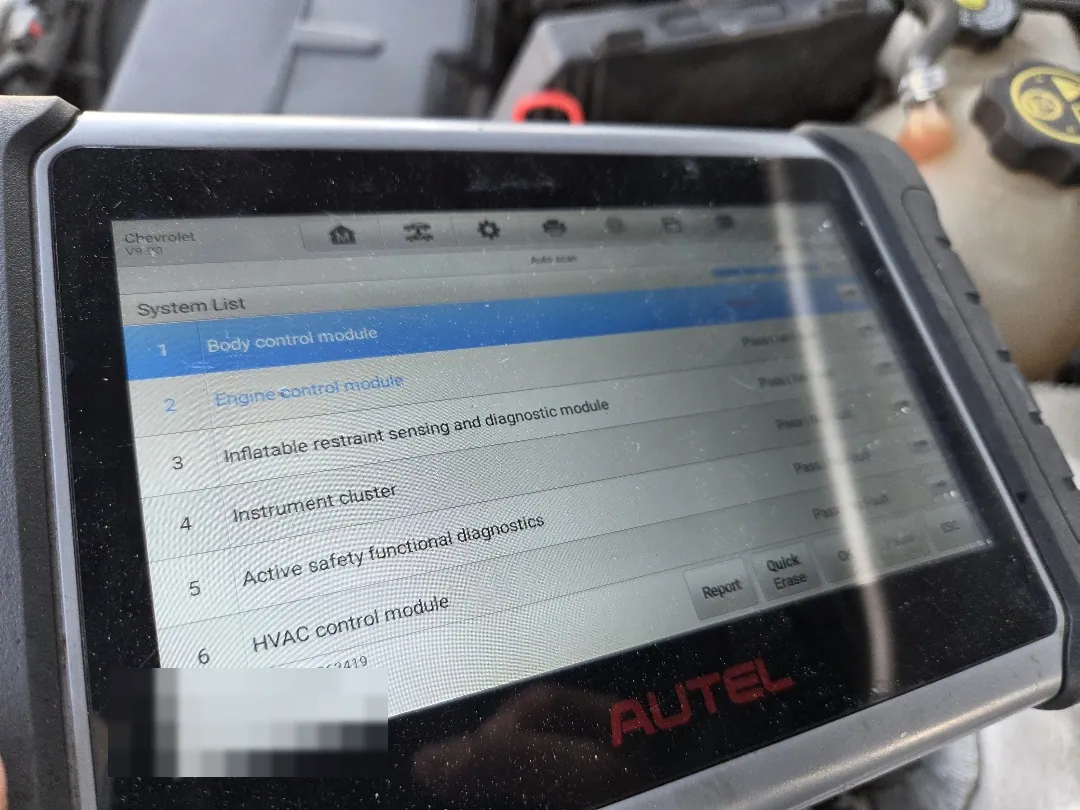
Finding the problem is labor too. The FTC guide says many shops charge for diagnostic time and tells you to ask if there is a charge when you take the repair somewhere else. Ask that on the phone, before you drop off the car. Here, the diagnostic check is part of the flat service call.
California goes further when finding the problem means taking something apart. The BAR Write It Right guide, updated January 2026, says a shop must give you a teardown estimate before it takes apart any part of your car to diagnose it. That estimate must list the cost to take it apart, the cost to put it back together, the parts that get destroyed along the way like gaskets and seals, and the longest it will take to reassemble. After the teardown, the shop needs a new estimate and your new OK before it does the repair.
The Other Lines on a Repair Bill
Labor is the biggest line. These are the rest, and what California's Write It Right guide says about each one.
| Line on the Bill | What It Is | The California Rule |
|---|---|---|
| Labor | Billed hours times the shop rate | The estimate must price all labor before work starts, and the invoice must list each repair with its price. |
| Parts | Most shops sell parts above their cost. That markup is normal. | Each part on the invoice must be marked new, used, rebuilt or reconditioned. |
| Shop supplies | Rags, cleaners, small hardware | A catch all "shop supplies" or "misc parts" charge is not allowed. Only supplies used on your car, listed on the estimate and invoice. |
| Hazardous waste fee | Disposal of used fluids and parts | Must be its own line on both the estimate and the invoice, with the shop's EPA ID number. |
| Sublet work | Part of the job sent to another shop | Needs your OK and a note on the estimate. The shop you hired stays responsible for it. |
Rules from the BAR Write It Right guide linked above. It does not tell shops how to count hours, so flat rate and actual time are both allowed. What it requires is that you see the labor price before you say yes.
How We Charge in Riverside
These are our own numbers, the same ones on our pricing page.
- $150 flat service call. That covers the tech coming to you, the full diagnostic and the first hour of labor. If you say no to the repair, that is all you pay.
- Labor starts at $150 an hour after the first hour, billed in 30 minute steps. Same starting rate in your driveway or at our shop.
- Parts at cost plus a standard markup. You see the part number before it goes on the car.
- No shop fee and no separate diagnostic fee on top of the service call.
A worked example at the starting rate. A job that takes 2.5 hours in total is the $150 service call for the first hour, plus 1.5 hours at $150, which is $225. That comes to $375 in labor, plus parts. You get that number before we start, and if we find something else mid job, we stop and call you first.
Why Rate Tables Fall Short
Most of what you find online on labor rates is a shop software blog written for owners, Reddit and Facebook threads, and tables of "average rates by state" that do not name where the numbers come from. One table gave a single national average down to the cent with no source at all.
A rate table cannot tell you if your bill is fair. Your bill is hours times rate, and the table only has half of that. The hours are the part you can check. Ask for them. Ask how they were counted. Then compare two quotes on the same job, hour for hour.
Six Questions to Ask Before You Say Yes
- Do you charge flat rate or actual time? The FTC suggests asking this one first.
- How many hours is this job? On flat rate that is the book time. On actual time, ask for the most it could run.
- What is your hourly rate? Now you can check the labor line yourself.
- Is diagnosis separate, and does it count toward the repair? Some shops fold it in, some do not.
- Are the parts new, used or rebuilt? In California the invoice has to say.
- Will you call me before going over the estimate? In California the shop needs your OK first. Our guide to spotting a dishonest mechanic covers what that paper trail should look like.
A shop that answers all six in one breath is a shop that knows its numbers. That is the one you want under your car.