On the 91 through Riverside County, a white tow truck will pull a dead car off the freeway for free on weekday commute hours. The Freeway Service Patrol covers all of the 91 and the 215 in the county, plus long stretches of the 15 and the 60. So if your transmission starts slipping on the way home, the safest choice may cost nothing at all.
The car is acting strange, you are far from home, and the question is whether to keep going. The answer depends on what the car is doing, how far you are going, and which roads you have to take. And since we are a mobile shop, sometimes the best trip is no trip, because the mechanic comes to the car.
Drive, Limp or Tow, Sorted by Symptom
Not every transmission problem is the same emergency. Some symptoms mean parts are grinding apart right now. Others mean the computer caught a fault early and is protecting itself. Find your symptom in the table, then read the section that goes with it.
| What the Car Is Doing | What to Do | Why |
|---|---|---|
| Engine revs but the car barely moves, or no Drive or Reverse | Tow it | The transmission cannot carry power. It will not get you there. |
| Grinding, banging or a hard clunk on shifts | Tow it | Metal parts are hitting or wearing on each other with every mile. |
| Burning smell, smoke, or red fluid pouring out | Pull over, shut it off, then tow | Ram warns that overheated fluid can boil over onto hot parts and start a fire. |
| Car creeps in Park or will not stay in Park | Set the parking brake and tow it | A car that will not hold still is a danger to you and to everyone near it. |
| Transmission temperature light | Stop and idle in Park or Neutral until it goes out | The fluid is too hot. Driving on will damage the transmission. |
| Limp mode, stuck in one gear, slow pickup | Short trip on surface streets | The mode exists to get the car to service without more damage. |
| Slips or flares now and then between gears | Short, gentle trip, no freeway | Each slip heats and wears the clutches inside, so keep the miles low. |
| Late or harsh shifts, a light shudder at steady speed | Drive gently and book a diagnosis this week | Often caught early. Fluid level and condition come first. |
| Check engine light, car drives normally | Drive, and get the codes read soon | A stored code is a warning, not a breakdown. |
| A few red drops on the driveway | Check the level before any long trip | A small leak becomes a low fluid problem if you ignore it. |
The overheat and fire warning comes from the Ram 2500 and 3500 owner's manual. The limp mode note comes from the same manual. Every car is a little different, so your own owner's manual wins if it says something else.
A short trip means a few miles to a shop, at low speed, with no hard launches. It does not mean the 45 minute commute to Irvine. If you have to think about whether the trip is short, it is not.
Why a Few Extra Miles Can Cost Thousands
The gap between a cheap fix and an expensive one is huge with transmissions. That gap is what you are betting every time you drive on a bad one.
RepairPal's national estimates, updated September 3, 2026, put a transmission filter and fluid change at $621 to $785. A full replacement runs $6,238 to $6,764, and about $5,110 of that is the part. Neither number is adjusted for Riverside.
Heat is what drives the damage. A slipping clutch pack makes friction, friction makes heat, and hot fluid breaks down faster. Weak fluid then lets the clutches slip more. Every mile on a slipping transmission feeds that loop.
So the usual advice to "just get it home" can be the expensive choice. A car that is still shifting today has a fair shot at a smaller repair. A car that was driven until it quit usually does not.
Limp Mode Is a Ride to the Shop, Not a Fix
Limp mode is the transmission computer protecting itself. The Ram owner's manual says it turns on when the truck detects a condition that could damage the transmission. Then it holds one gear, fourth on one Ram transmission and third on another.
You will feel it. The car pulls away slowly, never shifts up, and the engine revs high at speed. A warning light often comes on with it.
Ram also gives a reset for a passing glitch. Stop, shift to Park, turn the ignition off, wait about ten seconds, then restart. If normal gears come back, the manual still says to have it checked soon. If they do not, the car needs service.
Limp mode has a Riverside catch. California Vehicle Code section 22400 bars driving so slowly that you block the normal flow of traffic, unless you need the lower speed to drive safely. A car stuck in one gear at 40 mph has no business in the fast lanes of the 91. Take surface streets like Magnolia Avenue or University Avenue to the shop, or have the shop come to you.
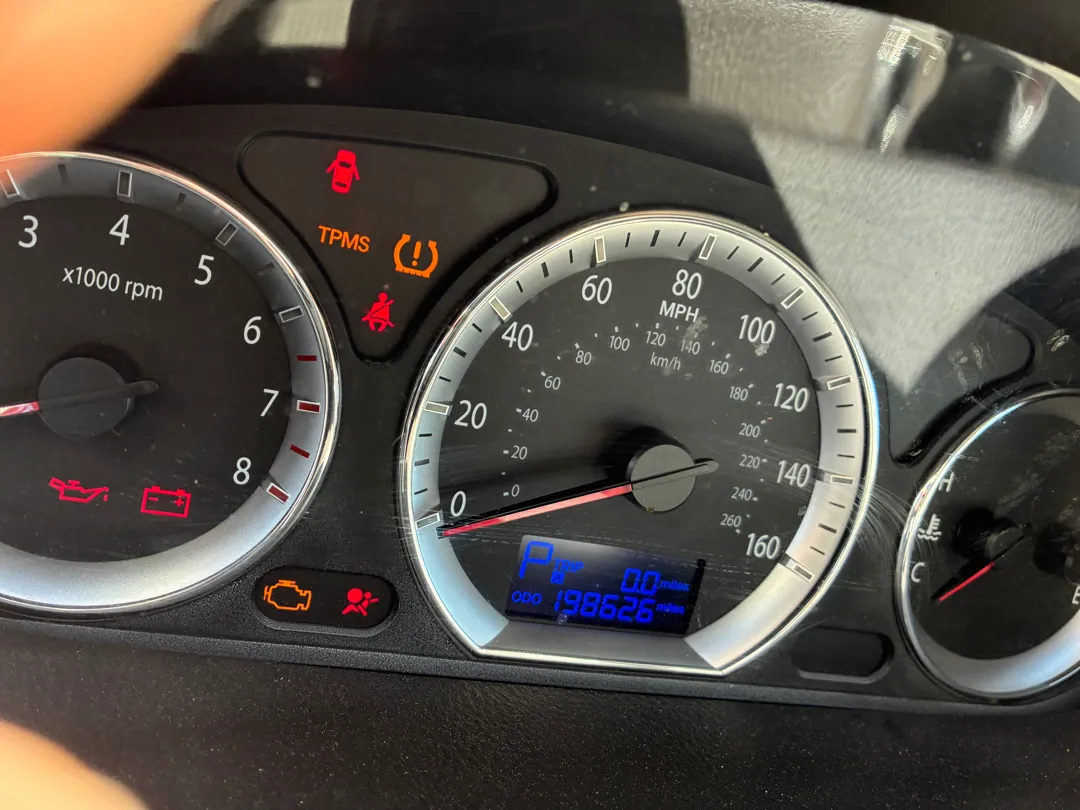
A warning light and limp mode also do not prove the transmission is worn out. The computer can trip it over a sensor, a wiring fault or a low fluid level. That is why the codes and the fluid come before any talk of a rebuild.
Riverside Heat and Grades Push a Weak Transmission Harder
Riverside averages a high of 94.2°F in July and 94.4°F in August, per the long record at the Riverside Fire Station 3 weather station. September still averages 90.9°F. A transmission that slips on a cool morning can fail by the afternoon drive home.
Toyota lists towing or hauling, severe weather and stop and go traffic as reasons to service transmission fluid sooner. Riverside drivers often get all three in one day. The 91 backup toward Orange County is stop and go, the 60 climbs the Badlands grade toward Beaumont, and plenty of trucks here pull trailers.
Ram's manual names trailer towing as one cause of the transmission temperature warning light. When that light comes on, the manual says to stop and let the engine idle in Park or Neutral until it goes out. It warns that driving on with the light lit will in time cause severe damage or failure.
- Unhook the trailer before you try to drive a slipping transmission anywhere.
- Skip the grade. If the shop is over the Badlands or through Santa Ana Canyon, bring the shop to the car instead.
- Drive early or late. If a short trip is all it needs, go in the cool of the morning, not at 3 p.m. in August.
- Leave room. Gentle starts and early braking keep the slip, and the heat, to a minimum.
Check the Fluid Before You Decide
Low fluid can make a healthy transmission act like a dying one. So if your car has a dipstick, check it before you choose between driving and towing.
- Park on level ground. Toyota says to start the engine for the check. Your owner's manual may also say which gear to use and how warm the car should be.
- Pull the transmission dipstick and wipe it. It is a different stick from the engine oil one. The manual shows where it is.
- Push it all the way in, then pull it again. Read where the fluid sits between the marks.
- Look at the color. Toyota says pinkish red fluid is clean and healthy. Dark fluid or a burnt smell points to worn or dirty fluid.
Many newer cars have no dipstick at all. Toyota says most newer models use sealed transmissions, and it sends owners of those cars to a technician. Do not pull plugs under a sealed transmission to look. Filling one right takes the car level and a scan tool reading the fluid temperature.
If the level is low, the fluid went somewhere. Topping it off can buy you the trip to a shop, but the leak is still there. Burnt, dark fluid on a car that also slips is a sign of wear inside, not something new fluid will cure. The guide to what a transmission flush costs explains when fresh fluid helps and when it does not.
Get the Car There Without More Damage
If the table says tow, the way the car is towed matters too. A transmission can be hurt on the back of the wrong truck.
On the freeway. Get to the shoulder or the median if you can, then stay in the car with your seat belt on. RCTC says Freeway Service Patrol drivers patrol for stuck cars, and you can also reach them from the yellow call boxes. Never cross lanes on foot to reach a call box.
| Freeway Service Patrol Detail | What RCTC Says |
|---|---|
| Roads covered | All of the 91 and the 215 in Riverside County, the 15 from the 60 south to Temecula Parkway, and the 60 from Milliken Avenue to Theodore Street |
| Hours | Weekdays 6 to 8:30 a.m. and 1:30 to 6 p.m., with Friday afternoon service from 11:30 a.m. No service on holidays |
| Cost | Free. Drivers may not take tips |
| Where the car goes | A spot the CHP approves, off the freeway. Not to a repair shop |
| Outside those hours | Call 911 for a rotation tow at standard rates. Call 911 right away if the car cannot leave the lanes |
That free tow gets you off the freeway, not all the way to a shop. From the drop spot, call your roadside plan, a tow company, or a mobile mechanic who can look at the car right there.
On any tow truck. Tell the driver which wheels drive the car. Mazda's owner's manual says a front wheel drive car should be towed with its front wheels off the ground. It says an all wheel drive car must have all four wheels off the ground, which means a flatbed. It also warns that towing a car backward with its drive wheels on the ground can damage the transmission inside. Check your own manual, since rules differ by maker.
What You Are Owed Before a Big Quote
A transmission quote is often the largest bill a car ever gets. California makes the shop slow down and put each step in writing first.
Under the Bureau of Automotive Repair's Write It Right rules, the shop needs your approval on a written estimate before it repairs anything. Taking a transmission apart to find the problem counts as a repair. So the shop owes you a teardown estimate first, with the cost to take it apart and put it back together.
- The teardown estimate must list parts that get destroyed along the way, like gaskets and seals.
- It must say if teardown could keep the car from going back to how it was.
- After teardown, you get an itemized estimate for the repair and decide before work goes on.
- For an automatic transmission, the estimate must say when the electronic control check cannot be done because of the transmission's condition.
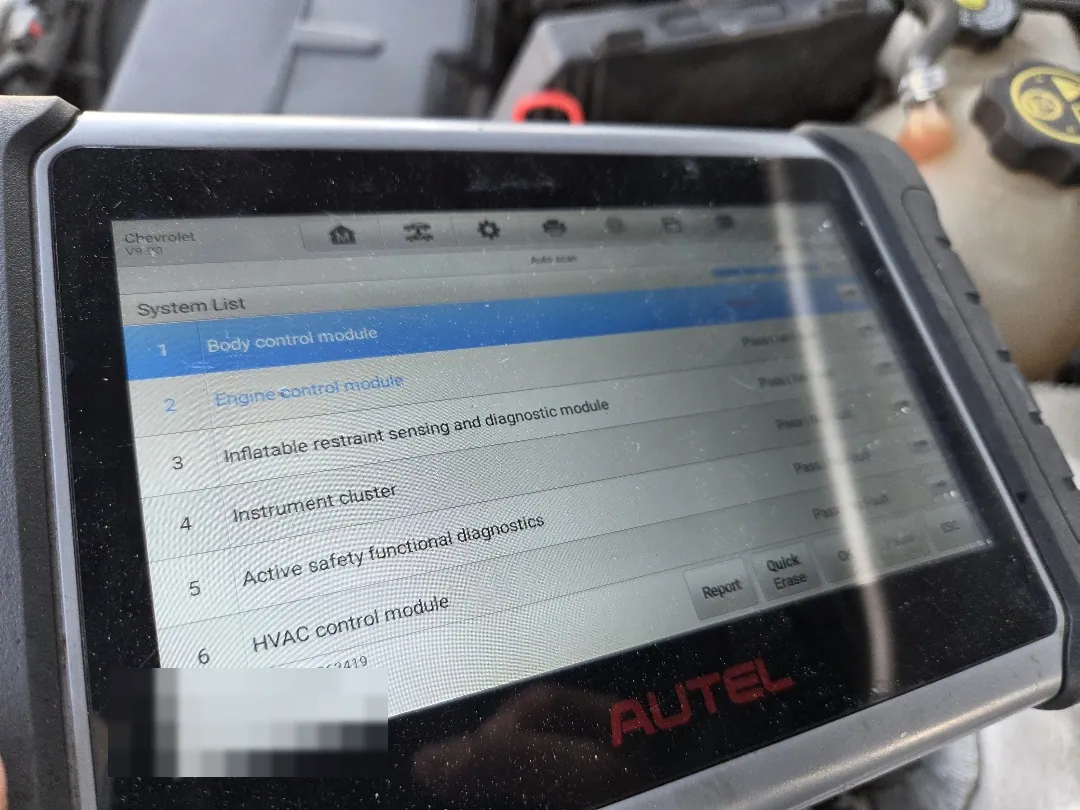
Ask what codes came up, what the fluid looked like, and whether the scan was done before the teardown. A shop that skips straight to "you need a rebuild" without those answers has not earned the job yet. For the other paperwork a good shop hands over, read how to spot a dishonest mechanic.